
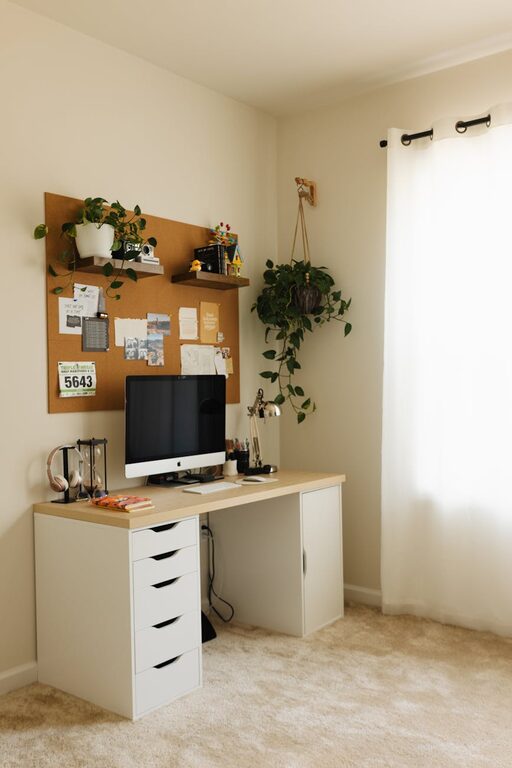
Creating a home office that is both relaxing and productive can significantly improve your work experience. When your workspace supports your comfort and concentration, you are more likely to stay motivated and accomplish tasks efficiently. Whether you work from home full-time or occasionally need a dedicated spot, these simple tips help you design an environment that fosters focus and calm.
1. Choose the Right Location
Selecting the best spot for your home office is crucial. Ideally, it should be a quiet area with minimal distractions and good natural light. If possible, pick a place with a door you can close to separate your work life from your personal space.
Consider these when selecting your office space:
– Away from high-traffic zones like kitchens or living rooms
– Access to windows for daylight
– Close enough to essential amenities (bathroom, coffee machine) without interruptions
2. Invest in Comfortable and Functional Furniture
Comfort plays a big role in productivity. An ergonomic chair and adjustable desk can reduce strain and help maintain good posture throughout the day.
Recommended furniture features:
– Chair with lumbar support and adjustable height
– Desk at a comfortable height, possibly adjustable for sitting or standing
– Space to organize your equipment without clutter
3. Optimize Lighting for Comfort and Focus
Proper lighting reduces eye strain and keeps energy levels steady. Natural light is the best option, but supplements like desk lamps with soft white bulbs work well.
Lighting tips:
– Position your desk near a window if possible
– Use blinds or curtains to avoid glare on screens
– Add adjustable task lighting for focused work
4. Keep Your Workspace Organized and Clutter-Free
A tidy desk promotes a clear mind. Use storage solutions like shelves, drawers, and boxes to keep items organized and out of sight.
Organization strategies:
– Create designated areas for papers, supplies, and electronics
– Regularly declutter your desk and digital files
– Use cable organizers to keep cords neat and safe
5. Personalize Your Office Tastefully
Adding a few personal touches can make your workspace more inviting without becoming distracting.
Ideas for personalization:
– A small plant for a touch of greenery and fresh air
– Inspirational quotes or artwork that motivates you
– Comfortable accessories like cushions or a cozy blanket
6. Minimize Noise and Distractions
Reducing noise helps you concentrate better. Consider noise-cancelling headphones if you cannot control background sounds.
Ways to control noise:
– Use rugs, curtains, or cushions to dampen echoes
– Close doors and windows where possible
– Inform family or housemates of your work hours to avoid interruptions
7. Establish a Routine and Separate Work Zones
Having a clear routine and physical boundaries for work can enhance both productivity and relaxation.
Tips for maintaining routine:
– Set regular work hours and breaks
– Avoid working from your bed or couch to keep work and rest separate
– Use a dedicated workspace only for work-related activities
8. Incorporate Breaks and Movement
Taking short breaks encourages better focus and reduces fatigue.
Suggested break ideas:
– Stretch or walk around for a few minutes every hour
– Practice deep breathing or mindfulness techniques
– Step outside briefly for fresh air and natural light
Conclusion
Creating a relaxing and productive home office environment is achievable with these simple steps. By focusing on comfort, organization, lighting, and personal boundaries, you can build a space that supports your work and well-being. Remember, your home office should be a place where you feel motivated and at ease—take time to adjust it to your needs, and you’ll notice the difference in your workday.